Barcodes in Practice: How to Ensure Accurate Identification and Traceability

Barcodes in Practice: How to Ensure Accurate Identification and Traceability
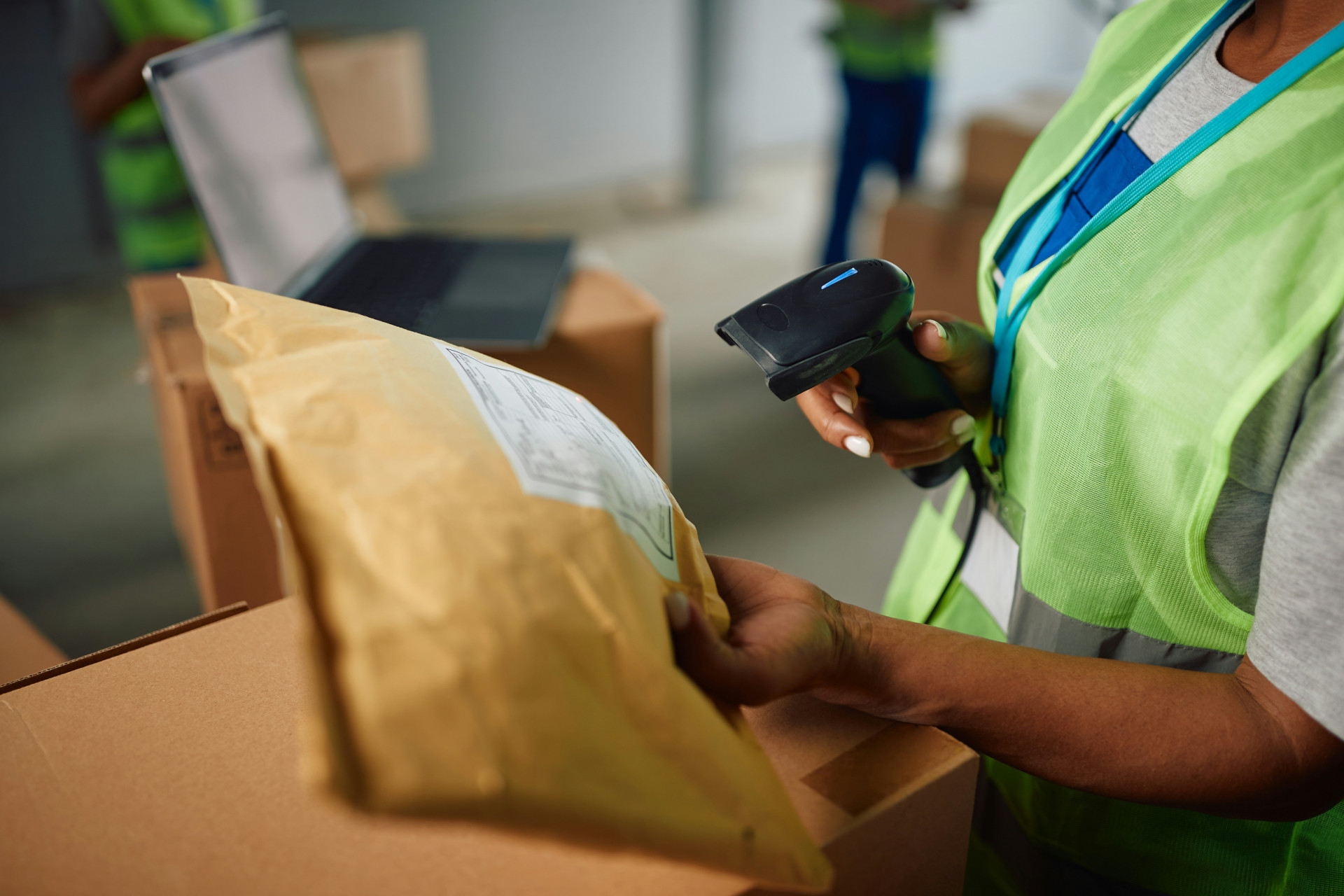
Barcodes are one of the most widely used technologies in modern logistics, retail, and manufacturing. Those small patterns of black and white lines appear on everything from groceries to medical devices – and they play a crucial role in ensuring accurate identification, efficient inventory management, and full traceability throughout the supply chain. But how do barcodes work in practice, and what should you pay attention to in order to avoid errors and bottlenecks?
What Is a Barcode – and Why Does It Matter?
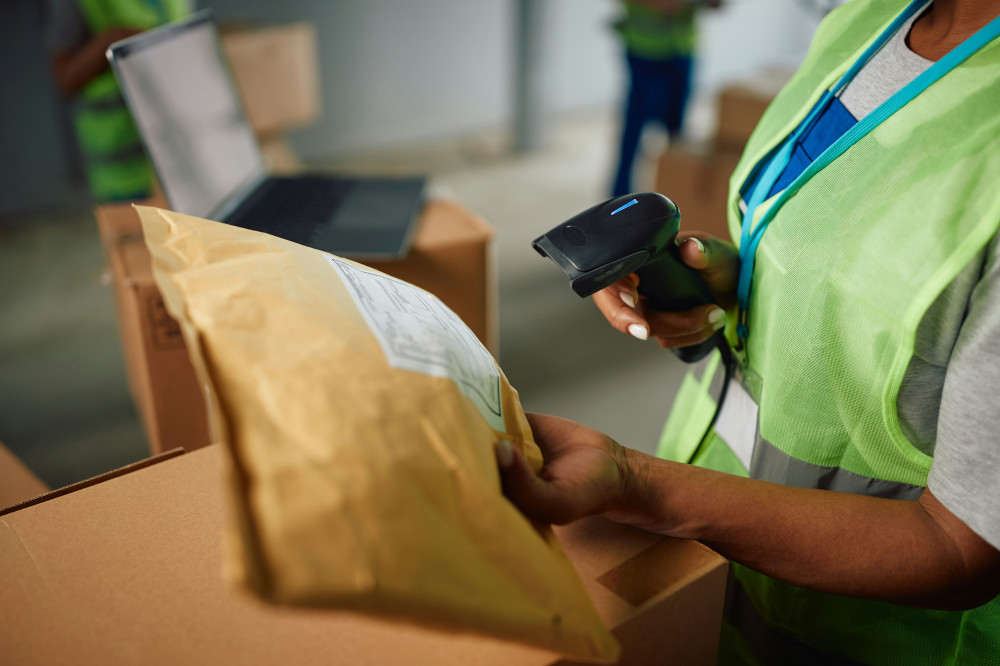
A barcode is a visual representation of data that can be read by a scanner. It typically contains a product number or a unique identification code linked to information in a database – such as product name, price, batch number, or expiry date.
The main advantage of barcodes is that they minimise human error and make data entry fast and precise. Instead of typing information manually, a scanner can read a code in milliseconds. This saves time, reduces mistakes, and provides a more reliable data foundation.
The Most Common Types of Barcodes
There are many different types of barcodes, and the right choice depends on how and where they will be used.
- EAN-13 – the classic barcode used on retail products worldwide. It contains 13 digits and is standard in the retail sector.
- Code 128 – a flexible code that can include both numbers and letters. It is often used in logistics and manufacturing, where more detailed information is needed.
- QR codes – a two-dimensional code that can hold much more data than traditional barcodes. It is used for marketing, tracking, and documentation.
- GS1-128 – an extended version of Code 128 that allows inclusion of details such as batch number, production date, and expiry date – ideal for food and pharmaceutical products.
Choosing the right barcode type involves balancing information needs, packaging space, and requirements from customers or regulatory authorities.
Ensuring Accurate Identification
For barcodes to function effectively, they must be unique, readable, and correctly registered in your system. Here are some key points to consider:
- Use unique codes – each product, variant, or batch should have its own code. This prevents mix-ups and ensures traceability.
- Ensure proper printing – barcodes must be printed in high quality with sufficient contrast. Poor print quality can make them unreadable for scanners.
- Test and verify – use a barcode verifier to check that your codes meet the required standards. This is especially important if you supply to major retailers with strict compliance rules.
- Keep your database up to date – a barcode is only as good as the data behind it. Make sure your system information is always accurate and current.
Traceability Across the Supply Chain
Traceability means being able to follow a product from manufacturer to end user – and barcodes are central to that process. By recording each movement in your system, you can document where a product has been, when it was produced, and who handled it.
This is particularly important in sectors such as food production, pharmaceuticals, and healthcare, where documentation and safety requirements are strict. If a defect or recall occurs, barcodes make it possible to quickly identify affected products and respond efficiently.
In Ireland, traceability is also a key part of compliance with EU food safety and medical device regulations. Using GS1 standards helps Irish businesses meet these obligations and maintain consumer trust.
Integration with Warehouse and ERP Systems
To get the full benefit of barcodes, they should be integrated with your company’s IT systems – typically a warehouse management system (WMS) or an enterprise resource planning (ERP) system. When an item is scanned, stock levels are updated automatically, and data can be shared across departments.
This provides an accurate overview of inventory, reduces the risk of double entries, and makes it easier to plan purchasing and production. Integration also enables real-time reporting on movements, errors, and efficiency.
The Future of Barcodes – From Print to Digital Identity
The development of barcode technology is moving toward more advanced solutions that combine physical and digital identification. 2D codes and RFID tags (radio-frequency identification) allow more data to be stored and read without direct contact.
At the same time, organisations such as GS1 Ireland are working on global standards for digital product identities, where each item has a unique online profile. This opens new opportunities for sustainability tracking, documentation, and consumer transparency.
Læs også:

Practical Tips for Implementation
If you are introducing or upgrading a barcode system, consider the following steps:
- Begin with a thorough needs analysis – what will the codes be used for, and what data must they contain?
- Choose standards and formats that fit your industry and trading partners.
- Provide staff training so everyone understands how to use the system correctly.
- Test the solution on a small scale before rolling it out across the organisation.
- Plan for future compatibility – select equipment and software that can handle both 1D and 2D codes.
With careful planning, barcodes can become a powerful tool for improving visibility, reducing errors, and strengthening your company’s competitiveness.
Barcodes as a Foundation for Efficient Operations
Barcodes may be small in size, but their impact is enormous. They connect data, processes, and people in a system where precision and traceability are essential. When used correctly, they form the foundation for efficient operations – whether you run a warehouse, a manufacturing facility, or a retail business in Ireland.
Læs også: