Business Events in Many Forms – Understanding Differences in Purpose, Format and Participants

Business Events in Many Forms – Understanding Differences in Purpose, Format and Participants
Business events are an integral part of professional life in Ireland. They serve many purposes – from strengthening internal collaboration and motivation to building networks, promoting products, or sharing knowledge externally. Yet, while the word “event” covers a wide range of activities, there are significant differences in purpose, format, and participants. To make the most of any business event, it is essential to understand what type of event you are planning – and what defines it.
Different Purposes Call for Different Approaches
A business event can have many objectives, and it is the purpose that should guide both the content and the tone.
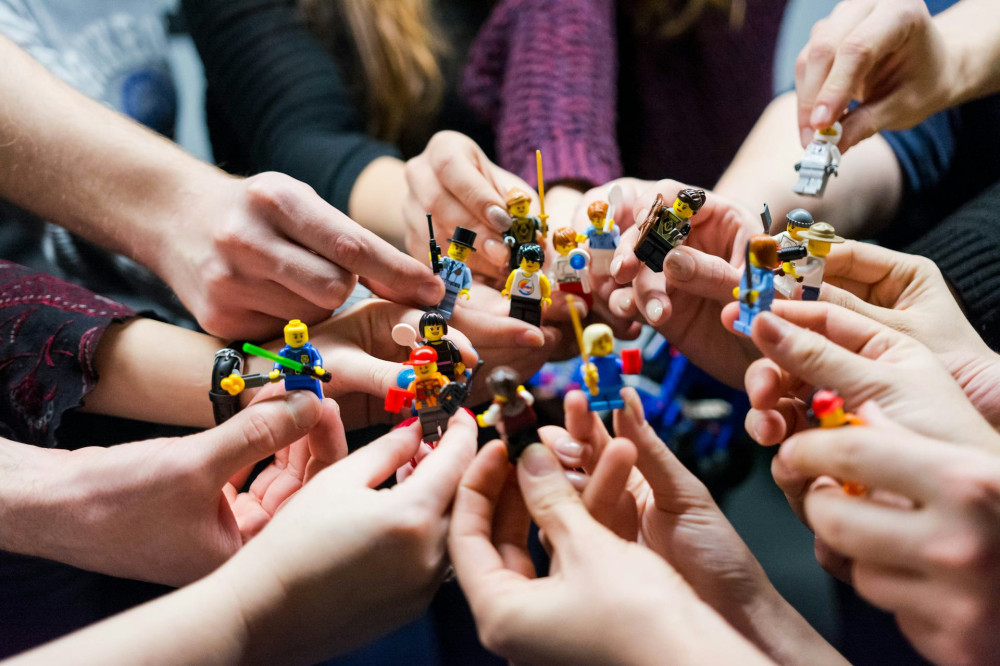
- Internal events focus on employees and organisational culture. These include team-building days, strategy sessions, anniversaries, or internal conferences. The goal is to strengthen unity, motivation, and a shared sense of direction.
- External events target customers, partners, or the public. Examples include product launches, trade shows, seminars, or networking receptions. Here, the aim is often to increase visibility, build relationships, and generate business opportunities.
- Professional or academic events such as conferences and workshops centre on knowledge sharing. They bring together experts, students, and professionals to exchange experiences and inspire new ideas.
Once the purpose is clear, it becomes easier to choose the right format and communicate effectively with participants.
Læs også:


The Format Shapes the Experience
Business events can take many forms – from small, intimate meetings to large-scale productions. The choice of format depends on the target audience, budget, and desired atmosphere.
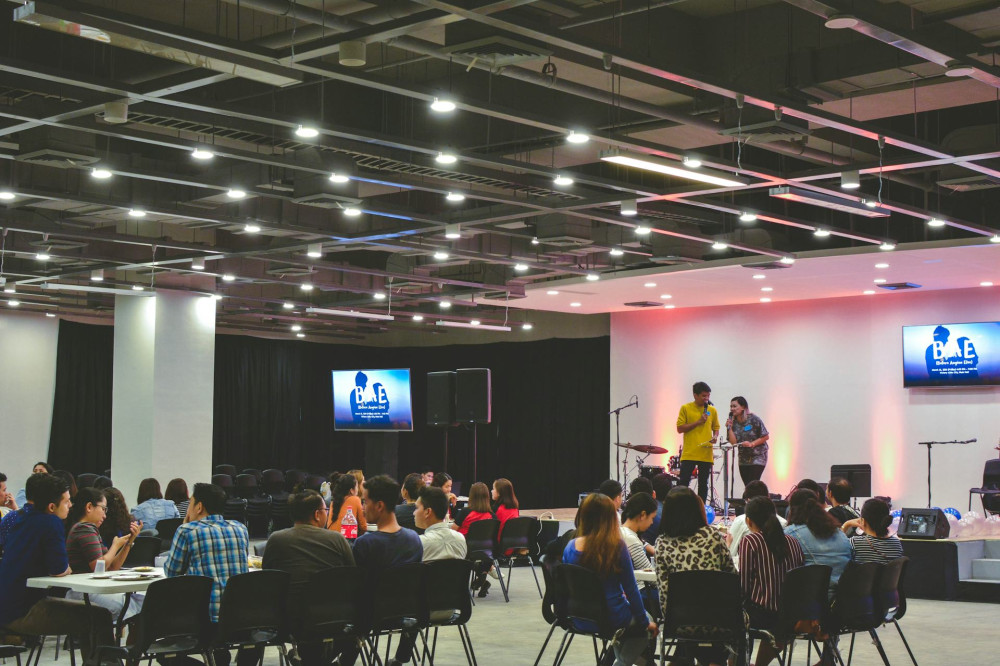
- Conferences and seminars are classic formats where presentations and expert insights take centre stage. They require structure, good logistics, and a coherent programme.
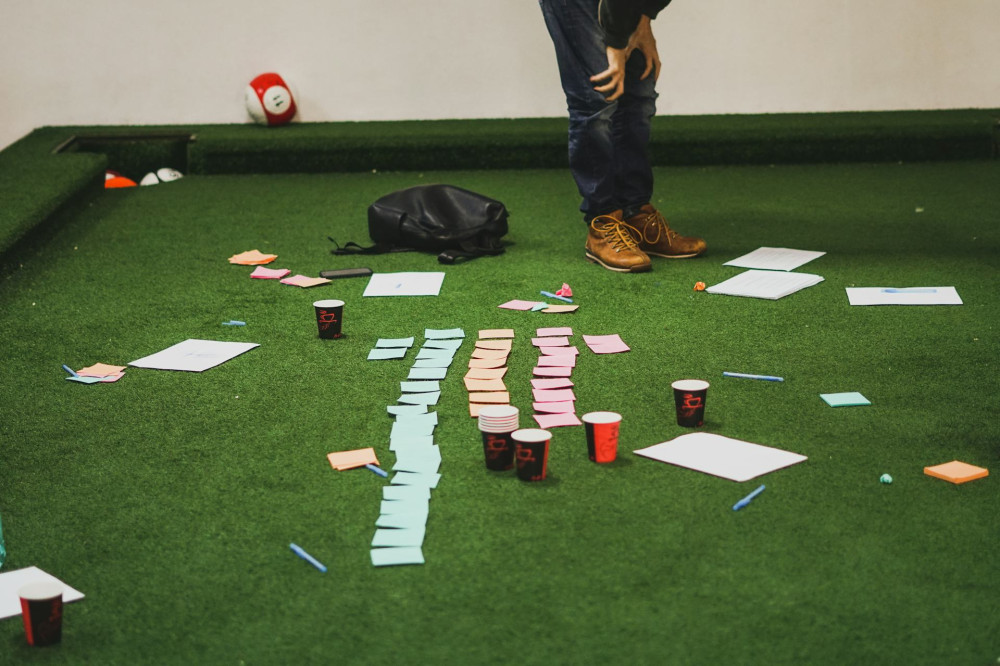
- Workshops and hackathons are more interactive, engaging participants directly. They are ideal when the goal is to generate ideas, develop solutions, or encourage cross-functional collaboration.
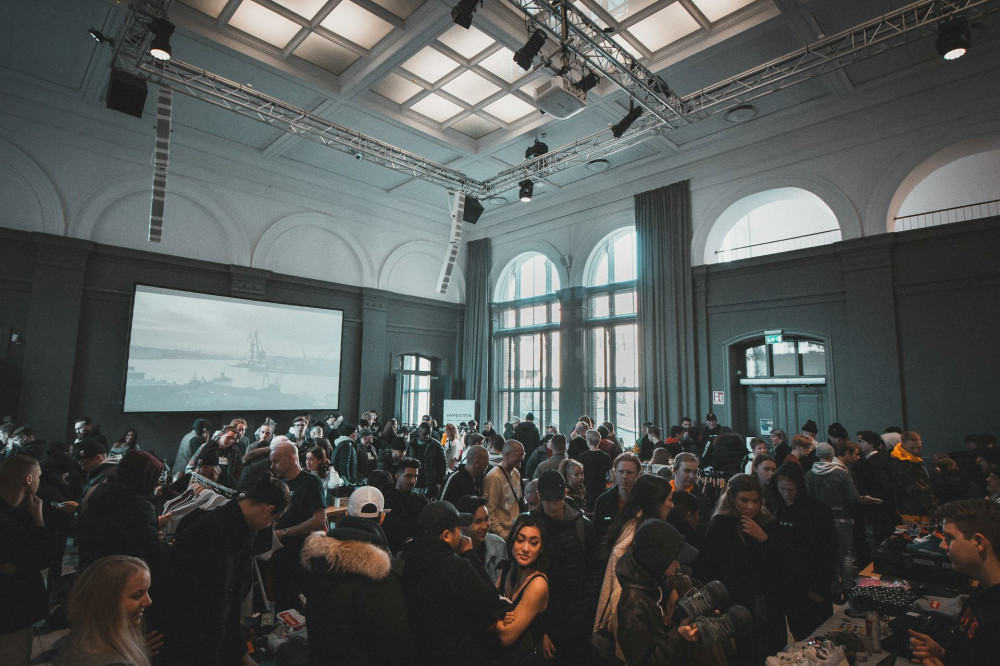
- Networking events focus on relationships and informal conversations. The atmosphere is key, and the setting should encourage dialogue and connection.
- Corporate celebrations and social events emphasise experience and togetherness. They help strengthen company culture and can play an important role in employee engagement.
In recent years, hybrid and digital events have become increasingly popular. They combine physical and online participation, allowing organisers to reach a wider audience – but they also require careful technical planning and clear communication.
Know Your Participants – and Plan Around Them
A successful event starts with understanding the participants. Who are they, and what motivates them to attend?
- Employees expect internal events to be relevant to their daily work – for example, by improving collaboration or providing insight into the company’s direction.
- Customers and partners attend if they see value – new knowledge, inspiration, or opportunities to expand their network.
- Professionals and experts look for quality and relevance. For them, the content, speakers, and programme structure determine whether the event feels worthwhile.
Understanding participants’ needs is not only about choosing the right theme but also about creating an experience that feels professional, engaging, and well thought out.
From Planning to Experience
Regardless of type, every business event requires thorough planning. It is about considering the entire participant journey – from invitation and registration to execution and follow-up. A clear purpose, a well-chosen format, and a deep understanding of the target audience form the foundation.
When these three elements align, the event becomes more than just a gathering – it becomes an experience that creates real value for both participants and the organisation.
Læs også: