Menu Planning as a Strategic Tool in the Company’s Meal Strategy

Menu Planning as a Strategic Tool in the Company’s Meal Strategy
In many Irish workplaces, meals are no longer just about satisfying hunger. They have become part of the company’s identity, culture, and overall strategy. Thoughtful menu planning can be a powerful tool to support employee wellbeing, sustainability, and financial responsibility. But how can menu planning move from being a routine task to a strategic instrument?
From Operations to Strategy
Traditionally, menu planning has focused on logistics: ensuring there is enough food, that it is varied, and that it fits the budget. Today, however, more companies in Ireland are recognising that workplace meals can play a key role in their broader strategies for employee engagement, sustainability, and corporate responsibility.
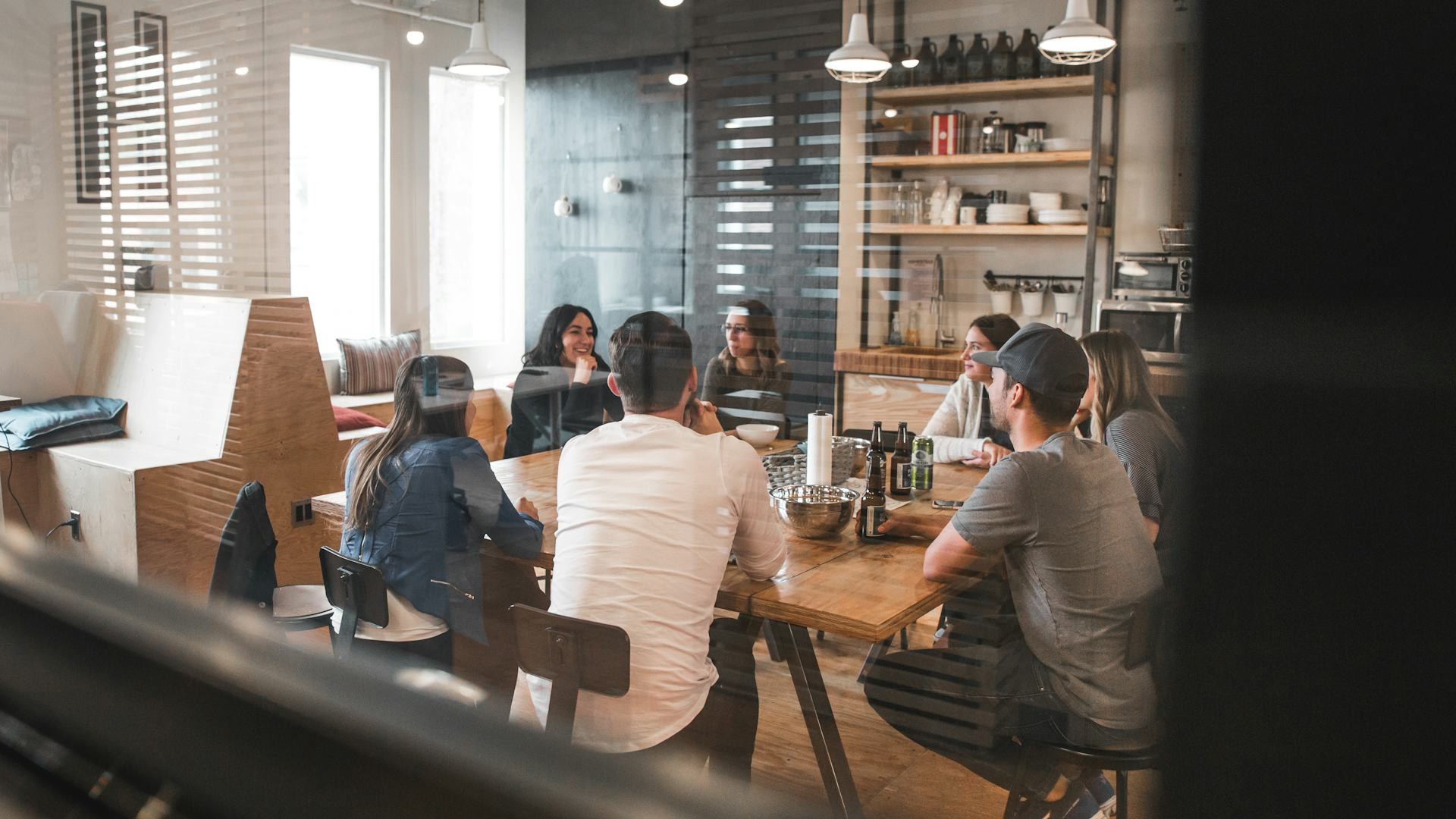
When menu planning is aligned with company values, it becomes a way to communicate who the company is. A business committed to environmental responsibility might, for example, reflect this through plant-based dishes, locally sourced ingredients, and reduced food waste. In this way, the canteen becomes a tangible expression of the company’s strategy – not just a place to eat.
Employee Wellbeing and Productivity
Food influences energy, concentration, and mood. A well-designed menu plan can therefore directly contribute to employee wellbeing and productivity. Variety, nutritional balance, and the ability to cater for different dietary needs are essential elements.
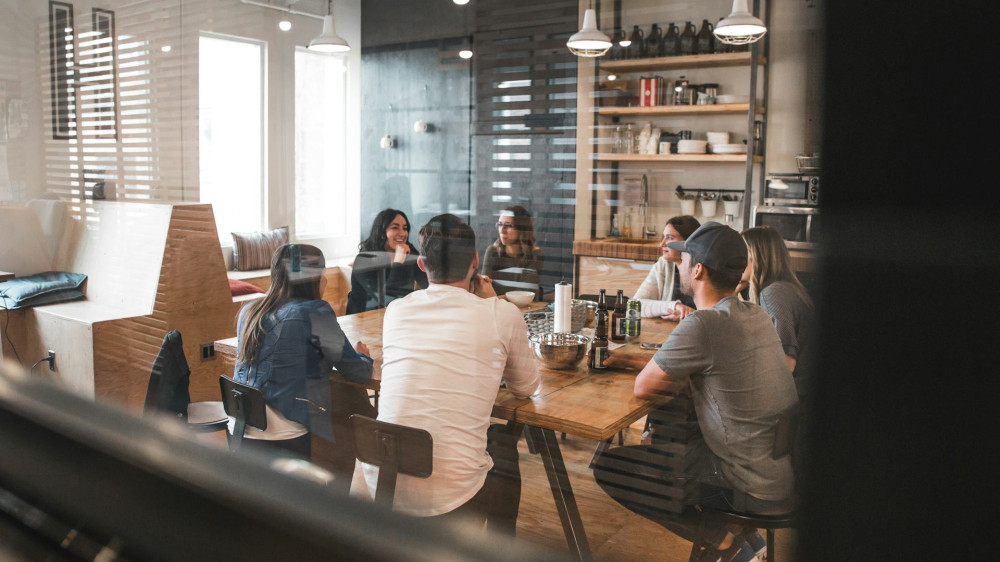
Involving employees in the planning process – for example through surveys or feedback on dishes – can create a sense of ownership and engagement. This increases the likelihood that meals are enjoyed and appreciated, and that the canteen becomes a social hub that strengthens workplace culture.
Sustainability in Practice
Menu planning is one of the most practical ways for a company to turn sustainability goals into action. By planning around seasonal produce, reducing meat consumption, and optimising ingredient use, companies can cut both food waste and their carbon footprint.
A strategic approach to sustainability, however, requires more than swapping a few ingredients. It involves rethinking the entire meal chain – from procurement and preparation to serving and waste management. A clear plan makes it possible to measure and document results, strengthening the company’s green profile and supporting sustainability reporting.
Economy and Efficiency
A good menu plan is also a financial management tool. By structuring purchasing and production, companies can reduce waste, optimise stock management, and ensure more stable canteen operations.
Digital planning tools make it easier to calculate portion sizes, nutritional content, and ingredient use. This provides an overview and allows for quick adjustments when needs change – for example, due to hybrid working patterns, seasonal variations, or changes in staff numbers.
Communication and Culture
Workplace meals are also part of internal communication. Menu planning can be used to support specific themes, campaigns, or values. A “local produce week,” a “healthy eating challenge,” or an “international food day” can create variety while promoting messages about community, health, or sustainability.
When menu planning is integrated with company communication, the canteen becomes an active tool in shaping culture – a place where values are experienced, not just read about in a policy document.
Læs også:

From Plan to Action
Turning menu planning into a strategic tool requires collaboration between several stakeholders: kitchen staff, management, HR, and communications. It’s about creating a shared understanding of what the company’s meals should contribute to – and how they support overall business goals.
A clear meal strategy with defined objectives for health, sustainability, and cost efficiency makes it easier to turn vision into action. In this way, menu planning becomes not just a practical task, but a cornerstone of the company’s strategic foundation.
Læs også: