The green transition creates new skill requirements – are you ready?


The green transition creates new skill requirements – are you ready?
The green transition is no longer a distant goal – it is happening right now. Across Ireland, businesses, public institutions, and employees are part of a transformation where sustainability, energy efficiency, and circular economy are becoming key priorities. This shift is changing job roles and creating demand for new skills. The question is: are you ready to keep up?
New demands across industries
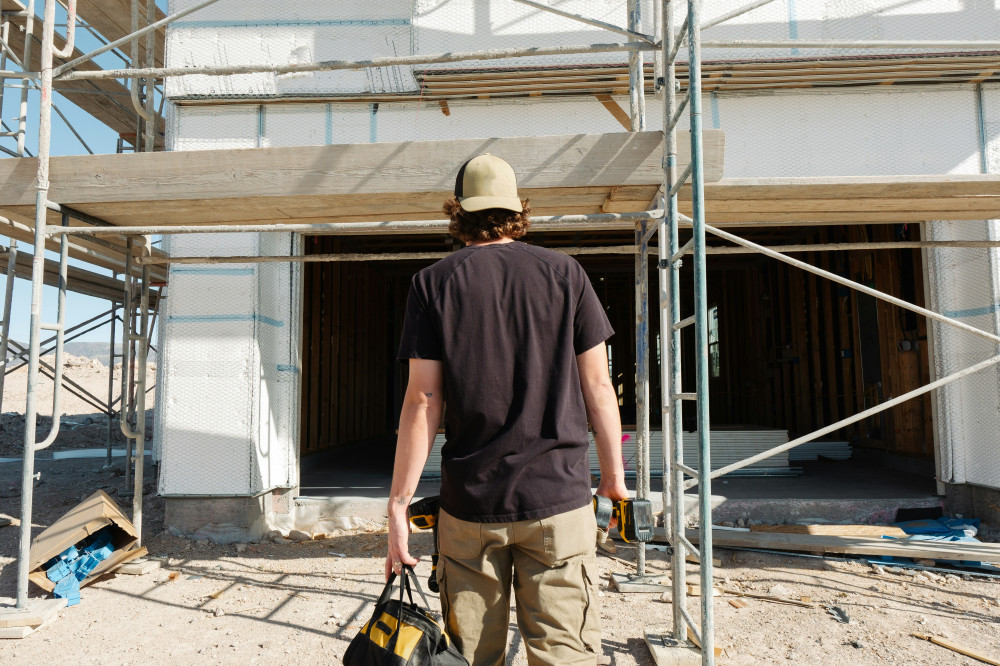
The green transition is not just about wind farms and electric vehicles. It affects everything from construction and transport to finance, retail, and public services. In construction, tradespeople must learn to work with sustainable materials and energy-efficient solutions. In manufacturing, production processes are being redesigned to reduce waste and resource use. And in offices, employees are expected to understand how sustainability can be integrated into strategies, procurement, and daily operations.
Green skills are no longer a niche – they are becoming part of everyone’s professional toolkit. Whether you are a technician, a manager, or an administrator, you will increasingly be expected to think and act sustainably.
From technical know-how to green understanding
The new skill requirements are not only about technical expertise but also about understanding the bigger picture. It might mean being able to read a carbon report, assess environmental impact, or understand how a business decision affects the climate. But it also involves collaboration and innovation – the ability to work across disciplines and find solutions that are both economically and environmentally sound.
Irish employers are looking for people who can combine traditional skills with a green mindset. An electrician who understands solar energy systems. An accountant who can calculate sustainability returns. A project manager who can lead decarbonisation initiatives. This is where the job opportunities of the future are emerging.
Læs også:




Upskilling and lifelong learning
To keep pace with change, continuous learning is essential. Across Ireland, education providers, training boards, and professional bodies are offering courses focused on the green transition – from short online modules to full diploma programmes. Topics range from energy management and sustainable construction to green leadership and circular economy.
Investing in new skills benefits not only employers but also employees themselves. Those who actively seek out new knowledge and development opportunities will be best positioned as the labour market evolves.
Leadership with sustainability at the core
For leaders, the green transition means a shift in focus. It is no longer just about profit and efficiency, but also about responsibility and long-term value. A modern leader must be able to inspire employees to think sustainably, foster a culture of innovation, and communicate clearly about the organisation’s environmental goals.
This requires new tools – both strategic and interpersonal. Many Irish organisations are now integrating sustainability into their leadership development programmes, ensuring that decisions are made with consideration for the economy, the environment, and society.
How to get started
If you want to strengthen your green skills, you can start by:
- Mapping your current knowledge – what do you already know about sustainability in your field?
- Exploring relevant courses – many Irish institutions offer flexible training options.
- Talking to your employer – you may be able to access funding or join green projects.
- Following developments in your sector – new technologies and regulations are emerging all the time.
- Networking with others – share experiences and ideas with colleagues and peers.
Small steps can make a big difference – for your career and for the planet.
The future of work is green
The green transition is not a passing trend but a fundamental shift in how we work and produce. The organisations that adapt will thrive – and so will the people who work for them.
Being ready for the green transition is not just about learning new things; it is about being open to change. The future job market will reward those who combine professional expertise with responsibility – and who see sustainability not as a challenge, but as an opportunity.
Læs også: